How to Fix a Door That Sticks | Step-by-Step DIY Guide

Introduction

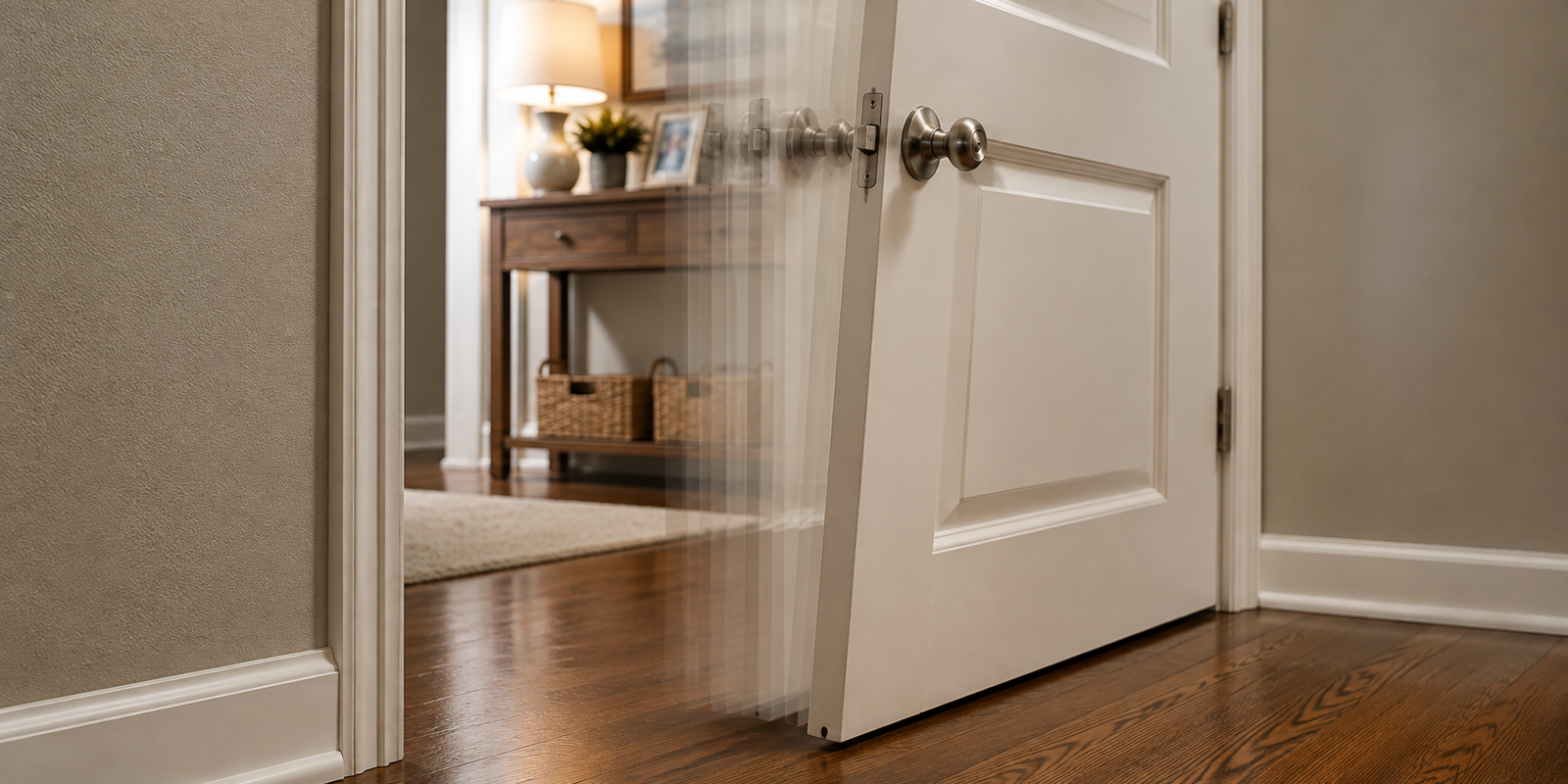
A sticking door can be frustrating every time you open or close it. Instead of moving smoothly, the door may rub against the frame, scrape the floor, or become difficult to latch. These problems are often caused by loose hinges, humidity, a warped frame, or normal wear over time.

Fortunately, most sticking doors can be repaired without replacing the entire door. By identifying the root cause and applying the correct repair method, you can restore smooth operation while preventing additional damage to the door and frame.

In this step-by-step guide, you’ll learn how to diagnose the problem, choose the right repair method, and keep your door working properly for years to come.

If your door closes but refuses to stay shut after the repair, don’t miss our guide on How to Fix a Door That Won’t Latch, which explains how to correct common latch and strike plate alignment issues.

Why Does a Door Stick?

Before starting any repair, it’s important to understand why the door is sticking.

The most common causes include:

  • Loose hinges
  • High humidity
  • Swollen wood
  • Warped door frame
  • House settling
  • Paint buildup
  • Loose screws
  • Damaged threshold
  • Poor installation

Identifying the exact cause allows you to choose the correct repair instead of guessing.

Sometimes the problem isn’t the door itself but the surrounding frame. If you notice cracks, loose wood, or visible damage around the opening, our How to Repair a Door Frame guide will help you restore the frame before making further adjustments.

Tools You’ll Need

Gather these basic tools before starting:

  • Phillips screwdriver
  • Hammer
  • Sandpaper (120 & 220 grit)
  • Hand plane (optional)
  • Carpenter’s pencil
  • Utility knife
  • Wood filler
  • Drill
  • Silicone spray or dry lubricant
  • Tape measure

Having the correct tools nearby will make the repair faster and more accurate.

Step 1: Identify Where the Door Sticks

Close the door slowly and observe where it rubs.

Common sticking points include:

  • Top corner
  • Bottom edge
  • Latch side
  • Hinge side
  • Threshold

Mark the problem area with a pencil before making any adjustments.

Step 2: Tighten All Hinge Screws

Loose hinges are one of the most common reasons doors begin sticking.

Follow These Steps

  1. Tighten every hinge screw.
  2. Replace stripped screws with longer wood screws.
  3. Check that the hinges sit flush against the frame.
  4. Test the door after tightening.

Many sticking doors are fixed with this simple adjustment alone.

Step 3: Inspect the Hinges

If tightening the screws doesn’t solve the problem, inspect each hinge carefully.

Look for:

  • Bent hinges
  • Rust
  • Loose hinge pins
  • Cracked hinge leaves
  • Worn hardware

Damaged hinges can pull the door out of alignment and cause it to rub against the frame.

If you discover worn, bent, or damaged hinges during your inspection, replacing them is often the best long-term solution. Follow our How to Replace Door Hinges guide for detailed installation instructions and expert tips.

Step 4: Check for Humidity Damage

Wood naturally expands when it absorbs moisture.

Inspect for:

  • Swollen wood
  • Peeling paint
  • Damp areas
  • Water stains
  • Poor ventilation

If humidity is the cause, allow the wood to dry completely before sanding or making permanent adjustments.

Step 5: Sand the Sticking Edge

If you’ve identified the exact area where the door rubs against the frame, lightly sanding the edge is often enough to solve the problem.

Follow These Steps

  1. Remove the door if necessary.
  2. Mark the rubbing area with a pencil.
  3. Sand only the affected section using 120-grit sandpaper.
  4. Smooth the surface with 220-grit sandpaper.
  5. Wipe away all dust.
  6. Reinstall the door and test it.

Tip: Remove only a small amount of wood at a time. Over-sanding can create uneven gaps around the door.

Step 6: Lubricate the Hinges

Dry or rusty hinges can make a door feel stiff and contribute to sticking.

How to Lubricate Hinges

  1. Apply a silicone-based lubricant or dry lubricant to each hinge.
  2. Open and close the door several times.
  3. Wipe away excess lubricant with a clean cloth.
  4. Repeat if necessary.

Regular lubrication keeps the door moving smoothly and helps reduce wear on the hardware.

If your door makes squeaking or grinding noises while opening and closing, the issue may simply be dry hinges. Our How to Stop Doors From Squeaking guide explains how to lubricate hinges properly and eliminate annoying noises without replacing the hardware.

Step 7: Remove Paint Buildup

Older doors may stick because multiple layers of paint have reduced the clearance between the door and the frame.

Here’s How

  1. Inspect painted edges.
  2. Carefully score the paint line with a utility knife.
  3. Remove excess paint using a paint scraper.
  4. Sand the edge lightly.
  5. Repaint only if bare wood becomes exposed.

Removing unnecessary paint buildup often restores smooth operation without major repairs.

Step 8: Repair Minor Warping

Small amounts of warping can sometimes be corrected without replacing the door.

Try These Solutions

  • Tighten loose hinges.
  • Allow damp wood to dry completely.
  • Improve indoor ventilation.
  • Seal exposed wood with primer and paint.
  • Plane high spots only when necessary.

If severe warping remains after these repairs, replacing the door may be the best option.

Common Mistakes to Avoid

Avoid these common DIY errors:

  • Sanding too much wood.
  • Ignoring loose hinges.
  • Using oil that attracts dust.
  • Removing paint aggressively.
  • Skipping door alignment checks.
  • Failing to identify the real cause.
  • Forcing the door closed repeatedly.

A careful diagnosis always produces better results than making unnecessary adjustments.

Expert Maintenance Tips

Keeping your door in good condition helps prevent sticking in the future.

  • Tighten hinge screws every few months.
  • Lubricate hinges once or twice a year.
  • Keep the frame clean and dry.
  • Inspect weatherstripping regularly.
  • Repaint exposed wood when needed.
  • Check for seasonal movement caused by humidity.

Routine maintenance is much easier than repairing a badly damaged door.

Seasonal humidity and air leaks can also affect how smoothly a door operates. Our How to Weatherproof a Door guide shows you how to seal gaps, replace worn weatherstripping, and improve your home’s energy efficiency while helping doors open and close more smoothly.

If your sticking door is caused by a loose or damaged handle rather than the door itself, fixing the hardware may solve the problem. Our How to Fix a Loose Door Handle guide walks you through tightening screws, replacing worn parts, and restoring smooth operation.

Pro Tip

Before sanding or planing a sticking door, wait for very humid weather to pass if possible. In many cases, wooden doors naturally shrink back to their original size as humidity levels decrease, saving you from removing more material than necessary.

Final Thoughts

A sticking door doesn’t always mean you need a new one. In most cases, tightening loose hinges, sanding swollen wood, repairing minor frame damage, or lubricating moving parts will restore smooth operation. Performing regular maintenance also helps prevent future problems and extends the life of both the door and its hardware.

Once your door is working smoothly again, consider tackling another easy weekend DIY project. Our How to Install Floating Shelves guide will help you create stylish storage, improve organization, and add value to almost any room in your home.

Frequently Asked Questions

Why is my door sticking all of a sudden?

Sudden sticking is often caused by seasonal humidity, loose hinges, swelling wood, or minor movement in your home’s structure. Inspect the hinges, frame, and rubbing areas before making any repairs.

Can humidity cause a wooden door to stick?

Yes. Wood absorbs moisture from the air, causing it to expand. During humid seasons, this expansion can make the door rub against the frame or become difficult to close.

Should I sand a sticking door?

Only if you’ve confirmed that the sticking is caused by swollen wood or paint buildup. Always sand small amounts at a time and test the door frequently to avoid removing too much material.

Why does my door stick at the top corner?

A door that sticks at the top corner is usually a sign of loose or worn hinges, a sagging door, or slight movement in the door frame. Tightening the hinge screws or replacing damaged hinges often solves the problem.

Can I fix a sticking door without removing it?

Yes. Many sticking doors can be repaired by tightening hinge screws, lubricating hinges, or removing paint buildup without taking the door off its hinges.

When Should You Replace Instead of Repair?

Repairing a sticking door is usually the best option, but replacement may be necessary if:

  • The door is severely warped.
  • The frame has major structural damage.
  • Water damage has weakened the wood.
  • The door has extensive rot.
  • Multiple repair attempts have failed.

Replacing a damaged door may improve security, energy efficiency, and long-term durability.

Leave a Comment