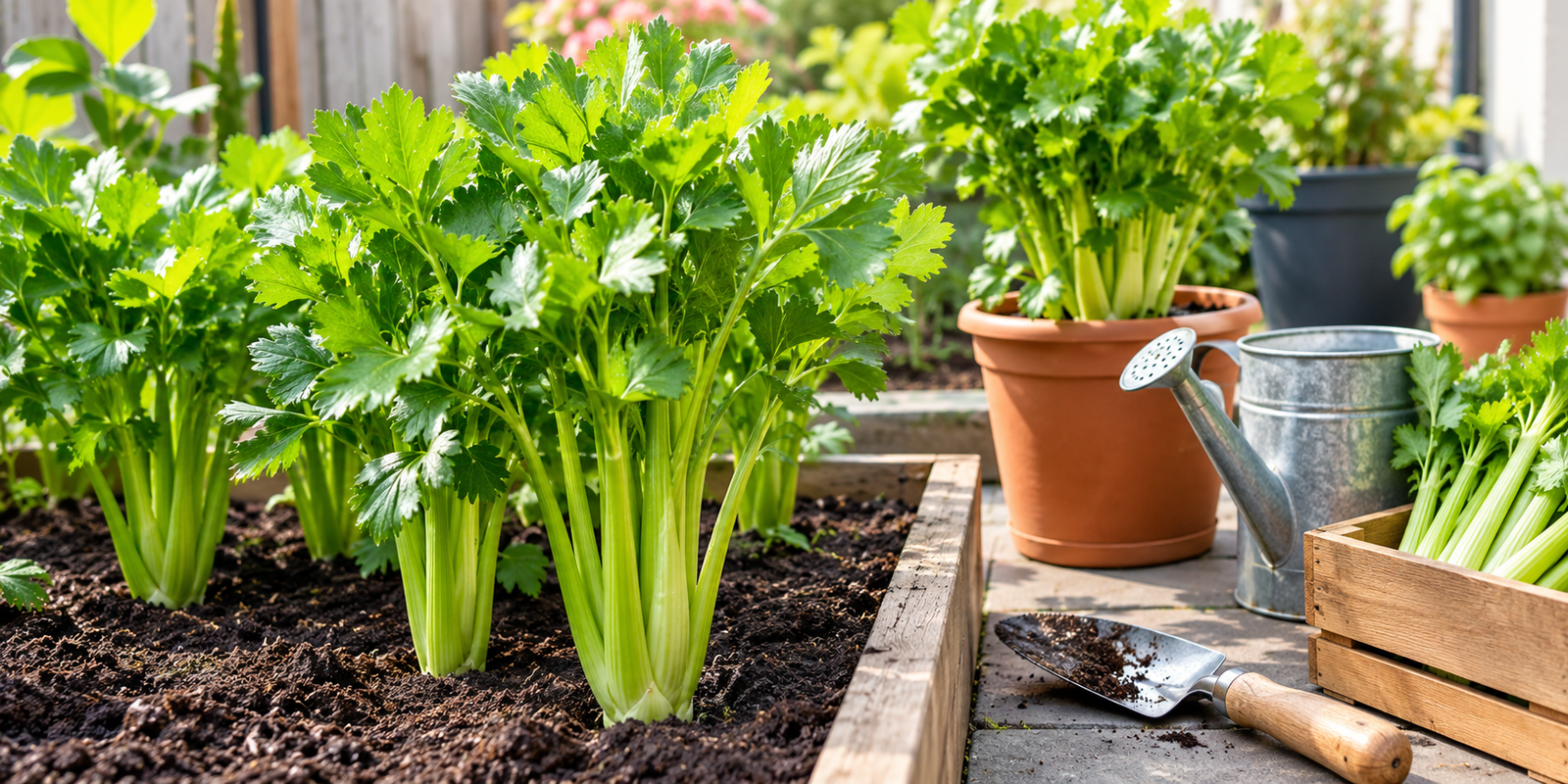
Growing celery at home can be a rewarding project for homeowners who want to make better use of their garden space, patio, or sunny windowsill. Although celery needs consistent moisture and suitable growing conditions, it can grow successfully in a well-prepared garden bed or a large container.
Whether you have a spacious backyard or a small outdoor area, a few practical adjustments can help you create a productive home-growing space.
Choose the Right Location
Celery grows best in a location that receives several hours of sunlight while avoiding excessive heat. In warmer climates, partial afternoon shade can help protect plants from stress.
Before planting, check the available space around your home. A garden bed near a water source can make maintenance easier, while containers work well on patios, balconies, and other suitable outdoor areas.
If you are planning a larger garden project, consider how the planting area fits into your overall outdoor layout. Good access to water, adequate drainage, and convenient walking space will make everyday gardening easier.
Prepare the Soil Properly
Healthy soil is essential for growing strong Pravi Celer plants. The soil should retain moisture without becoming waterlogged. Adding mature compost can improve soil structure and provide organic matter.
For container gardening, choose a sufficiently large pot with drainage holes and use a suitable quality potting mix. Avoid containers that dry out too quickly, especially during warm weather.
Proper preparation is also important for other home gardening projects. A well-designed growing area can help homeowners manage water more effectively and reduce unnecessary maintenance.
Plant Celery and Maintain Consistent Moisture
Celery generally prefers cool growing conditions and consistently moist soil. Planting times depend on your local climate, so check the recommended growing season for your area.
Water regularly, particularly when plants are young or temperatures rise. Apply water to the soil rather than repeatedly wetting the foliage, and make sure excess water can drain away.
A layer of suitable organic mulch can help reduce moisture loss and limit weed growth. Keep the mulch slightly away from the plant stems to avoid trapping excessive moisture against them.
Make the Most of Small Outdoor Spaces
You do not need a large garden to grow celery. A patio, balcony, or compact backyard can provide enough room if you select an appropriate container and place it where the plants receive suitable light.
When arranging your outdoor space, leave enough room to water plants, inspect their condition, and remove damaged leaves. Keeping gardening tools and water supplies nearby can also make the area more practical.
Homeowners planning broader improvements may benefit from thinking about garden access, drainage, and the relationship between planting areas and the rest of the property before making permanent changes.
Common Celery-Growing Problems
Celery can struggle when the soil dries out, temperatures become excessively hot, or growing conditions are inconsistent.
Watch for these common problems:
- Dry soil: Water more consistently and consider applying mulch.
- Poor drainage: Check that garden beds and containers allow excess water to escape.
- Weak growth: Review sunlight, soil quality, spacing, and watering practices.
- Heat stress: Provide appropriate afternoon shade during hot weather.
Regular inspection helps you identify problems before they become more difficult to manage.
Final Thoughts
Growing celery at home is a useful way to make a garden, patio, or balcony more productive. With suitable soil, consistent moisture, and the right location, beginners can create a manageable growing setup without needing a large outdoor space.
As with any home improvement project, planning the layout and understanding the area’s practical requirements can make the finished space easier to maintain.