Introduction
A few months back, I spoke with a homeowner who was renovating her downtown condo. She wasn’t just tired of the gray concrete walls and artificial lighting — she felt disconnected. Anxious. She told me, “I feel like I’m living inside a box.” Sound familiar?
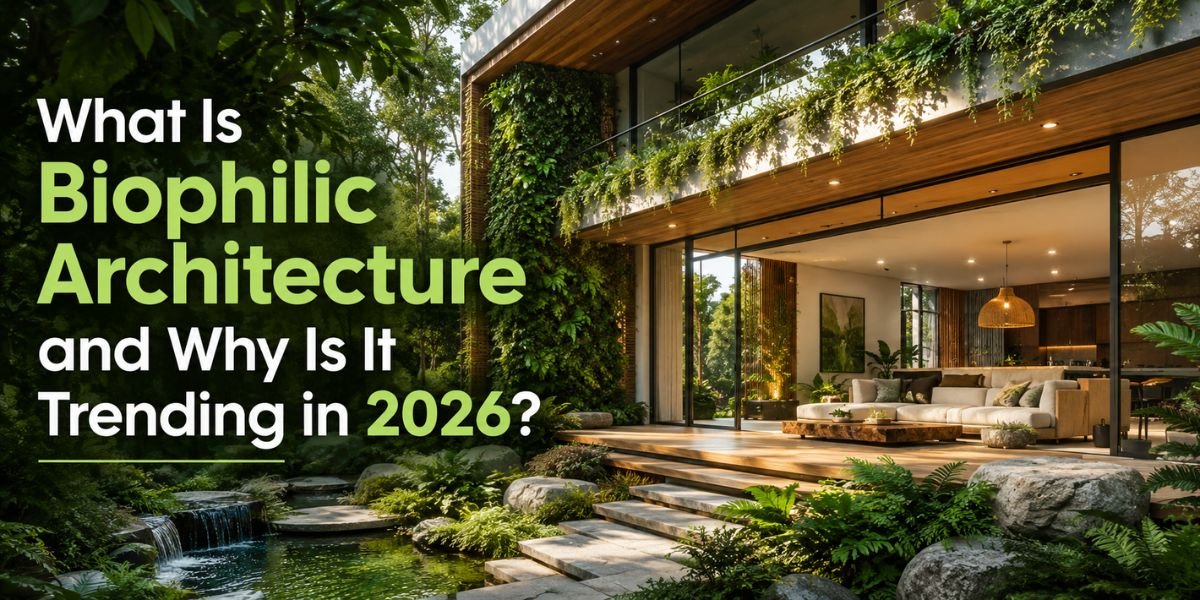
That’s exactly the problem biophilic architecture is designed to solve. And in 2026, it’s gone from a niche design philosophy to one of the most searched-for concepts in residential construction and interior renovation. Whether you’re building from scratch, updating your home’s interior, or working with a contractor on a full renovation, understanding biophilic design could genuinely change how you live.
Quick Answer
Biophilic architecture is a design approach that integrates natural elements — light, plants, water, wood, stone, and views of nature — directly into the built environment. The goal is to reconnect occupants with the natural world, improving mental health, air quality, productivity, and overall well-being. It’s trending in 2026 because homeowners are prioritizing wellness, sustainability, and livable spaces more than ever before.
What Is Biophilic Architecture?
The word “biophilic” comes from biophilia — a term coined by biologist E.O. Wilson referring to humanity’s innate need to connect with living systems and nature. Biophilic architecture translates that concept into physical design.
This isn’t just about hanging a few houseplants and calling it a day. True biophilic design involves deliberate decisions during the planning, framing, and finishing stages of a building or renovation. It shapes how natural light enters a space, how materials are selected, and how indoor environments flow into outdoor ones.
Key principles include:
- Direct nature contact: Living walls, indoor water features, natural daylight, and ventilation
- Indirect nature contact: Use of natural materials like timber framing, stone countertops, reclaimed wood, and organic textures
- Space and place: Design that mimics natural environments — varied ceiling heights, curved forms, and prospect-and-refuge concepts (open views combined with sheltered nooks)
In practical construction terms, this means architects and builders are rethinking everything from window placement to insulation choices, flooring materials to structural support systems.
Why Is Biophilic Architecture Trending in 2026?
Several forces have converged to make biophilic design the defining architectural trend of this moment.
Post-pandemic living priorities have shifted. After years of spending extended time indoors, homeowners became acutely aware of how their environments affected their mood, focus, and stress levels. That awareness stuck. People now actively seek homes that feel restorative rather than sterile.
Mental health is driving renovation decisions. Studies across environmental psychology have consistently linked access to natural light, greenery, and natural materials to reduced cortisol levels, lower anxiety, and improved sleep. Homeowners are citing mental wellness as a renovation priority in 2026 — not just aesthetics.
Sustainability and biophilic design overlap. Green building standards, energy efficiency goals, and sustainable material sourcing align naturally with biophilic principles. Using FSC-certified timber framing, installing triple-glazed windows for maximum daylighting, or incorporating a rainwater feature into your landscaping serves both goals simultaneously.
Builders and architects are better equipped than ever. Modern construction techniques make integrating living walls, solar tubes, natural ventilation systems, and engineered timber far more accessible than a decade ago. What used to be high-end custom work is becoming standard in mid-range residential builds.
For homeowners considering a renovation or new build, this shift represents a real opportunity to invest in a home that’s not just beautiful — but healthier.
Core Elements of Biophilic Design in Residential Construction
Natural Light and Views
In any renovation or new build, window placement is your most powerful biophilic tool. Working with your contractor to maximize daylighting means thinking beyond standard window sizing. Skylights, clerestory windows (those high horizontal strips near rooflines), and solar tubes can flood interior spaces with light without sacrificing wall space or structural integrity.
If your floor plan allows, orienting the primary living spaces to face south (in the Northern Hemisphere) captures the most consistent natural light throughout the day. This may affect how load-bearing walls are positioned and how framing is structured — conversations worth having early with your builder.
Living Walls and Indoor Plants at Scale
A true biophilic interior goes beyond potted plants on a windowsill. Living walls — vertical gardens built into interior walls — are increasingly common in both residential and commercial projects. They require waterproofing considerations for the wall cavity behind them, a drip irrigation system, and appropriate lighting if natural light is limited.
If a full living wall isn’t in the budget, even clustering multiple plants near windows, using hanging planters, or designing a dedicated plant ledge into your cabinetry goes a long way.
Natural Materials: Wood, Stone, and Beyond
In terms of finishes and materials, biophilic design favors:
- Exposed timber beams or engineered wood ceilings
- Stone or concrete flooring with natural texture variation
- Reclaimed wood accent walls or feature panels
- Natural fiber textiles (jute, linen, wool) for soft furnishings
From a construction standpoint, specifying these materials early matters. Exposed timber framing, for example, affects your insulation approach and vapor barrier placement. Natural stone flooring has weight and substrate requirements your structural slab needs to account for. Talk to your contractor about these details before finalizing finishes.
Water Features
The sound and sight of moving water has a measurable calming effect on the nervous system. In residential design, this translates to indoor fountains, reflecting pools in entryways, or exterior water features visible from primary living areas. Even a simple countertop water feature in a home office or meditation space counts.
For outdoor integration, working with your landscaper on a recirculating water feature that’s visible from key interior windows creates that sense of connection between inside and outside — one of biophilic architecture’s core goals.
Natural Ventilation
HVAC systems are essential, but biophilic design also values the feel of actual fresh air movement. Operable windows positioned for cross-ventilation, trickle vents in window frames, and open floor plans that allow air to circulate all contribute. In climates where it’s feasible, designing spaces that can be naturally ventilated for part of the year reduces energy costs and creates a healthier indoor environment.
Biophilic Architecture: Cost Breakdown
Costs vary considerably based on scope, materials, and local labor rates. Here’s a general framework:
Budget-Friendly Biophilic Upgrades ($500 – $5,000)
- Adding large indoor plants and planters throughout the home
- Replacing standard light fixtures with full-spectrum daylight bulbs
- Installing a solar tube in a dark hallway or bathroom
- Swapping synthetic flooring for bamboo or cork
- Adding a small indoor water feature
Mid-Range Renovation with Biophilic Focus ($10,000 – $40,000)
- Full window replacement with larger, energy-efficient glazing
- Exposed timber ceiling installation or beam additions
- Natural stone countertop and backsplash upgrades
- Dedicated living wall with irrigation system
- Landscaping renovation to create outdoor-indoor visual connection
Premium Biophilic Build or Full Renovation ($50,000+)
- Architectural redesign for passive solar daylighting
- Structural changes to add skylights, clerestory windows, or glass walls
- Custom living wall systems with integrated lighting
- Natural ventilation systems engineered into the HVAC design
- High-end natural material specifications throughout
Always get multiple contractor quotes. Costs vary significantly based on your region, the complexity of structural work required, and material availability.
DIY Biophilic Improvements You Can Do This Weekend
Not every biophilic upgrade requires a contractor. Here are practical projects homeowners can tackle themselves:
Skill Level: Beginner to Intermediate Estimated Time: 1–8 hours per project
Tools Required (for most projects):
- Drill and bits
- Level
- Stud finder
- Basic hand tools
Weekend Projects:
- Hanging a gallery of plants near windows using wall-mounted planters (use a stud finder to anchor securely)
- Replacing interior blinds with sheer linen curtains to soften light while maintaining privacy
- Adding a recirculating indoor fountain — most plug-in units require no plumbing
- Painting an accent wall in earth tones (terracotta, warm sage, sandstone) to mimic natural environments
- Laying a natural jute or sisal area rug over existing flooring
Safety Note: Any work involving electrical, structural changes, plumbing, or HVAC should be handled by licensed professionals. Know your limits — and local building codes.
Common Mistakes Homeowners Make with Biophilic Design
Treating it as purely decorative. Real biophilic design is structural and spatial, not just about accessories. If you’re renovating, the conversation needs to happen at the planning stage, not as an afterthought.
Ignoring maintenance requirements. Living walls, water features, and large plant collections require ongoing care. Factor in time, water access, and lighting before committing.
Using faux natural materials. Vinyl wood-look flooring or plastic “stone” panels don’t deliver the sensory experience of real materials. If budget is tight, use smaller amounts of genuine natural materials rather than substituting with imitations throughout.
Overlooking light quality. Adding a window is useless if it faces a blank wall three feet away. Think about what the light source reveals — the view matters as much as the brightness.
Professional vs. DIY: What to Outsource
| Project | DIY-Friendly? | Hire a Pro? |
|---|---|---|
| Indoor plants and planters | Yes | Not needed |
| Sheer curtains and window treatments | Yes | Not needed |
| Solar tube installation | Experienced DIYers only | Recommended |
| Living wall system | Partial (finishing) | Yes for structure/irrigation |
| Window enlargement | No | Always |
| Skylight installation | No | Always |
| Exposed beam addition | No | Always |
| Natural stone flooring | Experienced tile setters | Recommended |
Expert Recommendations
After years of watching renovation trends come and go, I’ll say this plainly: biophilic design isn’t a trend that’s going to fade. It’s a correction. Modern construction went too synthetic, too sealed, and too disconnected from the natural world — and we’re paying for it in energy costs, health outcomes, and general quality of life.
If you’re planning a renovation in 2026, even modest biophilic improvements will increase your home’s livability and resale appeal. Start with daylighting — it’s the highest-ROI change you can make. Then look at natural materials, ventilation, and greenery.
For deeper guidance on sustainable building materials and renovation planning, check out our Complete Guide to Sustainable Home Materials to understand which eco-friendly choices make the most sense for your specific project.
For research-backed context on biophilic design principles in the built environment, the WELL Building Standard (wellcertified.com) is one of the most comprehensive trusted external frameworks used by architects and contractors globally.
Conclusion
Biophilic architecture isn’t about turning your home into a greenhouse. It’s about making deliberate design choices that reconnect your living environment to the natural world — through light, materials, air, water, and organic form. In 2026, it’s trending because homeowners have realized that a beautiful home isn’t enough. It also has to feel alive.
Whether you’re breaking ground on a new build or just rethinking your living room, the principles of biophilic design give you a framework to make smarter, healthier choices at every stage. Start where your budget allows. Prioritize daylight. Choose real materials when you can. Bring in living things.
Your home should work with your biology — not against it.
Frequently Asked Questions
1. Is biophilic architecture only for high-end homes? Not at all. While premium biophilic builds can be expensive, the core principles — maximizing natural light, using natural materials, adding plants, and creating outdoor visual connections — can be applied at any budget level. Even renters can incorporate biophilic elements through plants, natural textiles, and lighting choices.
2. Does biophilic design increase home resale value? Generally, yes. Homes with abundant natural light, quality natural materials, and thoughtful outdoor connections consistently perform well in real estate markets. Buyers in 2026 are actively prioritizing wellness-oriented features, which aligns directly with biophilic design.
3. Do I need a special architect to design a biophilic home? Not necessarily, but you should look for architects or designers who list sustainable design, wellness design, or WELL/LEED certification experience in their credentials. These professionals will be most equipped to integrate biophilic principles structurally rather than cosmetically.
4. Are living walls high maintenance? They can be if improperly designed. A well-planned living wall with an automatic drip irrigation system and appropriate grow lighting requires minimal daily effort — roughly comparable to maintaining a garden bed. The key is choosing the right plant species for your indoor conditions.
5. Can biophilic design work in small apartments or urban homes? Absolutely. In tight spaces, biophilic design focuses on maximizing light, using mirrors to bounce natural light deeper into rooms, concentrating plants near windows, selecting natural materials for visible surfaces, and using nature-inspired color palettes. Small spaces often benefit most from these interventions.
6. How does biophilic architecture relate to LEED or green building certification? There’s significant overlap but they’re not identical. LEED focuses on energy efficiency, water conservation, and environmental impact. Biophilic design focuses on human connection to nature. WELL Building Standard certification is more closely aligned with biophilic principles as it centers on human health and wellness within the built environment.
7. What’s the single most impactful biophilic improvement for an existing home? In most cases: improving daylighting. This could mean installing a solar tube in a dark room, replacing small windows with larger ones, removing window obstructions, or switching to sheer window treatments. Natural light has the highest measurable impact on mood, sleep, and energy — and it often costs less than homeowners expect.
8. Are there any building code implications for biophilic renovations? Yes, when structural changes are involved. Adding skylights, enlarging window openings, removing walls for open views, or installing rooftop gardens all require permits in most jurisdictions. Always check with your local building authority before beginning any structural modification. Your contractor should handle permit applications as part of the project scope.