Introduction
A few years ago, I visited a homeowner who had recently completed a beautiful renovation. They had installed premium hardwood flooring, modern drywall finishes, energy-efficient windows, and new recessed lighting. Yet something still felt off. Every room looked crowded with unnecessary furniture, decorations, and mismatched accessories.
The problem wasn’t the renovation—it was the decorating.
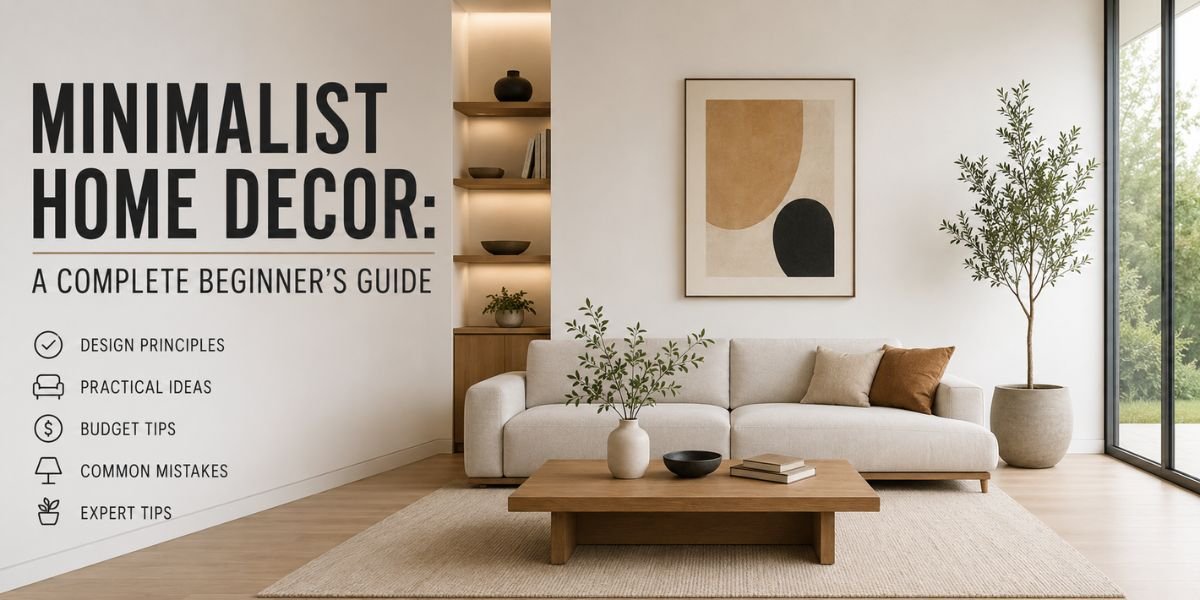
This is exactly why minimalist home decor has become one of the most popular interior design styles among homeowners. It isn’t about living in an empty house. Instead, it’s about creating spaces that feel calm, organized, functional, and timeless.
Whether you’re decorating a new home, remodeling an older property, or simply trying to reduce clutter, this beginner’s guide explains everything you need to know.
Quick Answer
Minimalist home decor focuses on simplicity, functionality, and quality over quantity. Instead of filling every room with furniture and decorations, homeowners choose carefully selected pieces that improve comfort, maximize natural light, and create a clean, organized living environment.
The goal is not to own less for the sake of it—it’s to own only what adds value to your home.
What Is Minimalist Home Decor?
Minimalist home decor is a design philosophy based on simplicity and intentional living.
Every object has a purpose.
Every piece of furniture serves a function.
Every decorative item contributes to the overall appearance without overwhelming the room.
Unlike temporary decorating trends, minimalist interiors emphasize long-lasting materials, clean architectural lines, neutral color palettes, and practical layouts.
Professional designers often combine minimalist decorating with good construction planning, including:
- Open floor plans
- Large windows for natural lighting
- Built-in storage
- Flush drywall finishes
- Hidden HVAC vents
- Seamless flooring transitions
- Simple trim work
These construction details help create a cleaner visual appearance.
Why Homeowners Choose Minimalist Home Decor
Minimalist decorating offers benefits beyond appearance.
Less Clutter
A clutter-free room is easier to clean and maintain.
Instead of constantly moving decorative items while vacuuming or dusting, you’ll spend less time on household chores.
Makes Small Rooms Feel Larger
One trick professional interior designers use is visual space.
Removing unnecessary furniture allows natural walking paths while making rooms appear larger than their actual square footage.
Saves Money
Minimalism doesn’t require expensive furniture.
Instead of buying ten inexpensive decorations, homeowners often purchase one high-quality piece that lasts much longer.
Easier Renovations
Contractors appreciate minimalist homes because there are fewer obstacles during renovation projects involving:
- Flooring replacement
- Drywall repair
- Interior painting
- Electrical upgrades
- HVAC maintenance
Reduces Visual Stress
Many homeowners say their house simply feels more relaxing after removing unnecessary items.
A cleaner environment often creates a calmer atmosphere.
Core Principles of Minimalist Home Decor
Understanding these principles helps avoid common decorating mistakes.
Function Comes First
Before purchasing any item, ask:
“What purpose does this serve?”
If the answer is “none,” it probably doesn’t belong.
Quality Over Quantity
Invest in durable furniture made from quality materials such as:
- Solid wood
- Natural stone
- Steel
- Glass
- Engineered hardwood
Cheap furniture often requires replacement much sooner.
Neutral Color Palette
Popular minimalist colors include:
- White
- Warm white
- Beige
- Light gray
- Sand
- Cream
- Taupe
- Soft black accents
These colors maximize natural light while making rooms feel larger.
Clean Lines
Furniture typically features:
- Straight edges
- Smooth surfaces
- Hidden hardware
- Simple shapes
Avoid excessive carvings and ornate detailing.
Open Space Matters
Empty space is part of the design.
Professional interior designers call this “negative space.”
It allows furniture and architectural details to stand out naturally.
Best Rooms to Start With
If you’re new to minimalist decorating, begin with these areas.
Living Room
Keep only essential furniture:
- Sofa
- Coffee table
- TV unit
- One accent chair
- Floor lamp
Avoid filling every wall with decorations.
Bedroom
Focus on comfort.
Include:
- Bed
- Nightstands
- Dresser
- Soft lighting
Keep decorative accessories limited.
Kitchen
Minimalist kitchens prioritize storage.
Features often include:
- Flat cabinet doors
- Hidden appliances
- Quartz countertops
- Under-cabinet lighting
- Organized drawers
Bathroom
Simple bathrooms feel more luxurious.
Use:
- Floating vanity
- Frameless mirror
- Neutral tiles
- Glass shower enclosure
- Hidden storage
Budget Guide for Minimalist Home Decor
Costs vary depending on room size, materials, labor rates, and product quality.
Budget Option
Ideal for homeowners refreshing existing rooms.
Includes:
- Paint
- Decluttering
- Affordable furniture
- Basic lighting updates
Estimated cost varies depending on the number of rooms and furniture purchases.
Mid-Range Option
Often includes:
- Better quality furniture
- New flooring
- Updated lighting
- Custom shelving
- Window treatments
This level typically provides the best balance between quality and affordability.
Premium Option
High-end minimalist homes may include:
- Custom cabinetry
- Built-in storage
- Hardwood flooring
- Designer lighting
- Architectural wall finishes
- Smart home integration
Premium projects are heavily influenced by local labor costs, permits, and material selection.
DIY Minimalist Home Makeover
Many homeowners can begin without hiring contractors.
Tools Required
- Tape measure
- Stud finder
- Drill
- Screwdriver
- Level
- Paint roller
- Paint brushes
- Utility knife
- Ladder
Skill Level
Beginner to Intermediate
Estimated Time
One room:
1–3 days
Whole house:
Several weekends depending on project size.
Safety Precautions
Always:
- Turn off electricity before replacing light fixtures.
- Wear safety glasses while drilling.
- Use proper ladders.
- Locate wall studs before mounting shelves.
- Check for plumbing or electrical wiring before cutting drywall.
Common Decorating Mistakes
Buying Too Much Furniture
Many homeowners confuse minimalism with modern luxury.
Instead of purchasing several matching pieces, focus on necessities.
Ignoring Storage
Minimalism still requires storage.
Built-in cabinets, closets, and hidden shelving help maintain clean spaces.
Poor Lighting
Lighting dramatically affects minimalist interiors.
Combine:
- Natural light
- Recessed lighting
- Pendant lights
- Table lamps
Layered lighting creates warmth without clutter.
Choosing Cheap Materials
Low-quality laminate furniture often chips quickly.
Whenever possible, invest in better materials that last.
Removing Structural Elements
Never remove walls without determining whether they’re load-bearing walls.
Structural support systems often require engineered beams and building permits before modifications begin.
Construction Considerations During Renovation
If you’re remodeling your home while adopting minimalist decor, several building components deserve attention.
Drywall
Smooth Level 4 or Level 5 drywall finishes produce cleaner walls suitable for minimalist interiors.
Flooring
Continuous flooring throughout multiple rooms creates visual flow.
Popular choices include:
- Engineered hardwood
- Luxury vinyl plank
- Polished concrete
- Large-format tile
HVAC
Hidden vents and properly designed airflow improve aesthetics without sacrificing comfort.
Electrical
Plan outlet locations before drywall installation.
Hidden outlets reduce visible cords.
Insulation
Good insulation improves indoor comfort while reducing HVAC operating costs.
Maintenance Tips
Minimalist homes are easier to maintain when homeowners establish simple routines.
Weekly:
- Dust surfaces
- Vacuum flooring
- Organize countertops
Monthly:
- Clean windows
- Inspect caulk
- Wash light fixtures
Annually:
- Check roofing for damage
- Inspect foundation for cracks
- Service HVAC equipment
- Test smoke detectors
Preventive maintenance keeps your home looking clean while protecting its value.
Professional vs DIY
| DIY | Hire a Professional |
|---|---|
| Painting | Structural wall removal |
| Furniture assembly | Electrical rewiring |
| Decorating | Plumbing relocation |
| Shelf installation | Foundation repairs |
| Decluttering | HVAC replacement |
Knowing your limits saves money and prevents costly mistakes.
Expert Recommendations
After working around residential renovation projects for many years, I’ve noticed one pattern.
The best minimalist homes aren’t empty.
They’re intentional.
Before buying any furniture, finish the construction work first.
Complete:
- Flooring
- Drywall repairs
- Painting
- Trim installation
- Lighting
- Storage
Only then should decorating begin.
If you’re planning a larger renovation, our guide on Modern House Design Trends Homeowners Love in 2026 offers additional inspiration for creating timeless, functional interiors.
For trusted design inspiration and practical minimalist living ideas, the Architectural Digest website is an excellent resource.
Conclusion
Minimalist home decor isn’t about owning as little as possible. It’s about creating a home that feels functional, organized, and comfortable every day.
Start with one room instead of your entire house. Remove unnecessary clutter, choose durable materials, improve storage, and prioritize quality over quantity. Whether you’re updating a single bedroom or renovating an entire property, a thoughtful minimalist approach can make your home easier to maintain, more visually appealing, and more enjoyable to live in for years to come.
FAQs
1. Is minimalist home decor expensive?
Not necessarily. Many homeowners spend less because they purchase fewer, higher-quality items instead of filling rooms with unnecessary furniture and decorations.
2. What colors work best for minimalist interiors?
Neutral shades such as white, cream, beige, taupe, light gray, and soft earth tones are commonly used because they reflect natural light and create a spacious feel.
3. Can minimalist home decor work in small apartments?
Yes. In fact, smaller homes often benefit the most because simple layouts, multifunctional furniture, and hidden storage make limited spaces feel larger and more organized.
4. Is minimalist design suitable for families?
Absolutely. Families can embrace minimalism by choosing durable furniture, maximizing storage, and reducing unnecessary clutter while keeping essential everyday items accessible.
5. Should I renovate before decorating?
If major work is planned, it’s usually best to complete flooring, painting, drywall repairs, lighting, and built-in storage before purchasing furniture and decorative pieces.
6. What flooring is best for minimalist homes?
Engineered hardwood, luxury vinyl plank, polished concrete, and large-format porcelain tile are all popular choices because they provide a clean, continuous appearance.
7. Can I combine minimalist decor with other styles?
Yes. Minimalism blends well with Scandinavian, Japandi, modern farmhouse, industrial, and contemporary design styles, allowing you to personalize your home while maintaining a clean aesthetic.