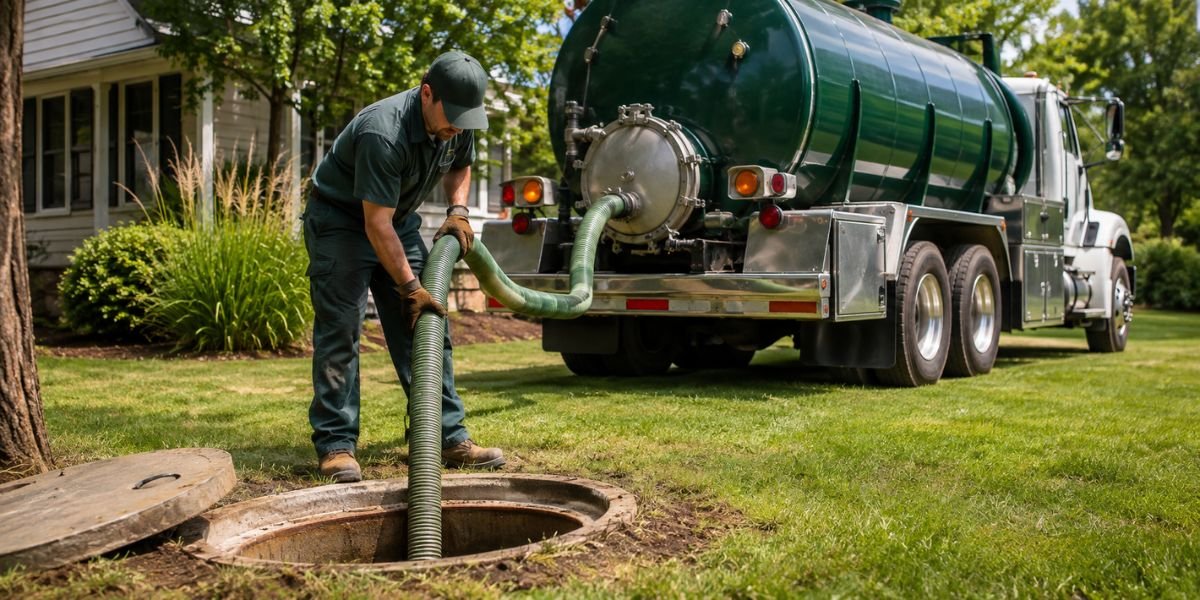
If your home uses a septic system, septic tank emptying is an important part of routine maintenance. Sludge and scum gradually build up inside the tank, reducing the space available for wastewater treatment. If too much solid material accumulates, it can move toward the drainfield and contribute to system problems.
For most residential systems, the general recommendation is to have the septic tank inspected regularly and pumped when necessary. The U.S. Environmental Protection Agency (EPA) says homeowners should generally have their septic systems inspected at least every three years and pump the tank about every 3 to 5 years, depending on household and tank conditions.
Quick Answer
Septic tank emptying is the process of removing accumulated sludge and scum from a septic tank, usually with specialized pumping equipment.
Most residential septic tanks need pumping approximately every 3 to 5 years, but there isn’t one schedule that works for every household. Tank size, number of occupants, wastewater production, and the amount of solids entering the system can all affect the frequency.
If you notice sewage odors, slow drains, gurgling toilets, standing wastewater, or unusually wet areas around the drainfield, don’t wait for the normal schedule. Have the system inspected by a qualified septic professional.
What Is Septic Tank Emptying?
Septic tank emptying is the removal of accumulated solids from a septic tank.
Inside a functioning septic tank, wastewater separates into different layers:
- Sludge settles at the bottom.
- Scum floats at the top.
- Liquid effluent remains between these layers.
Over time, the sludge and scum layers become thicker.
A professional septic service uses specialized pumping equipment to remove the accumulated material and transport it for proper disposal.
The terms septic tank emptying, septic tank pumping, and septic tank pump-out are often used for essentially the same maintenance service, although terminology varies by region.
How Often Should You Empty a Septic Tank?
For many residential systems, every 3 to 5 years is a useful general guideline.
However, the EPA emphasizes that pumping frequency depends on several factors rather than a fixed calendar date. These include household size, wastewater volume, the amount of solids entering the tank, and tank size.
For example, a small tank serving a large household may need attention more frequently than a larger tank serving fewer people.
Factors That Affect Pumping Frequency
1. Household Size
More people generally means more wastewater and more solids entering the septic system.
2. Tank Size
A larger tank can generally accommodate more accumulated solids before pumping becomes necessary.
3. Water Usage
High water usage can increase the hydraulic load on the septic system.
4. Garbage Disposal Use
Kitchen garbage disposals can introduce additional solids into the septic tank and may increase pumping needs.
5. What Goes Down the Drain
Flushing inappropriate materials can contribute to blockages and other septic problems.
9 Signs Your Septic Tank Needs Emptying
Don’t rely only on the calendar.
Watch for these warning signs.
1. Slow Drains
If multiple drains throughout the house become slow at the same time, the septic system may need inspection.
A single slow sink is more likely to have a localized plumbing blockage.
2. Gurgling Toilets
Unusual gurgling sounds after flushing can indicate a drainage or septic-system problem.
3. Sewage Odors
Persistent sewage smells around the tank, drainfield, or inside the house should not be ignored.
4. Sewage Backups
Wastewater backing up into sinks, showers, or toilets is a serious warning sign.
5. Standing Water
Wet or unusually saturated areas around the drainfield can indicate a failing system or drainage problem.
6. Unusually Green Grass
A particularly lush area over or near the drainfield can sometimes indicate excess wastewater reaching the soil.
7. Toilet Flushing Problems
Repeated flushing problems throughout the house can be a reason to have the septic system inspected.
8. Pooling Wastewater
Visible wastewater around the septic system requires prompt professional attention.
9. It’s Been Several Years Since the Last Pumping
If you don’t know when the tank was last pumped, checking your maintenance records and arranging an inspection is sensible.
Angi also identifies slow drains, gurgling, foul smells, standing water, and unusually lush grass as warning signs that a septic system may need attention.
What Happens During Septic Tank Emptying?
Professional septic tank pumping generally follows several steps.
Step 1: Locate the Tank
The service provider identifies the tank and its access points.
Step 2: Open the Access Lid
The appropriate access area is opened so the tank can be inspected and serviced.
Step 3: Inspect the Tank
The technician can check the tank condition and measure or assess accumulated solids.
Step 4: Pump Out the Contents
Specialized equipment removes the accumulated sludge and scum.
Step 5: Check the System
The technician may inspect accessible components for obvious damage or problems.
Step 6: Close the Tank
The access point is secured after the service is completed.
A proper service should leave you with information about the tank condition and any maintenance concerns discovered during the visit.
How Much Does Septic Tank Emptying Cost?
The cost varies depending on several factors, including:
- Tank size
- Location
- Accessibility
- Amount of material
- Local disposal requirements
- Distance to the disposal facility
- Company pricing
- Additional inspection or repair work
Current consumer guidance commonly places residential septic pumping in the few-hundred-dollar range, but local prices can vary considerably. Angi’s July 2026 guidance gives a typical range of about $250 to $550, with an average around $400 per visit.
Because pricing is location-specific, it’s better to obtain a quote from a licensed local septic professional than rely on a national average.
Septic Tank Emptying vs. Septic Tank Cleaning
These terms can sometimes cause confusion.
Emptying or pumping generally refers to removing accumulated sludge and scum from the tank.
Cleaning may be used more broadly by companies to describe additional services.
For normal maintenance, homeowners should focus on having the accumulated solids removed and the system inspected when appropriate.
Be cautious of unnecessary add-on services that claim to eliminate the need for routine pumping.
Can You Empty a Septic Tank Yourself?
For a typical residential septic system, DIY emptying is not recommended.
The job involves:
- Human waste
- Harmful microorganisms
- Toxic gases
- Heavy equipment
- Specialized pumping equipment
- Waste transportation and disposal
Professional septic companies have the equipment and procedures required to handle the material safely.
Angi specifically recommends leaving septic tank pumping to septic professionals because the work requires specialized equipment and safe waste handling.
How to Prepare for Septic Tank Emptying
A little preparation can make the service easier.
Locate the Tank
If you know where the tank is located, tell the service provider.
Clear Access
Remove vehicles, equipment, or objects that prevent access to the tank.
Find Previous Records
Check when the tank was last pumped or inspected.
Mention Previous Problems
Tell the technician about backups, odors, slow drains, or other symptoms.
Keep Children and Pets Away
The work area should remain clear while the tank is being serviced.
What Should Never Go Into a Septic System?
Your septic system isn’t a regular trash disposal system.
Avoid flushing or pouring inappropriate materials into it.
These can include:
- Paper towels
- Wipes
- Dental floss
- Diapers
- Cat litter
- Cigarette butts
- Grease
- Motor oil
- Paint
- Pesticides
- Harsh chemicals
The EPA specifically warns homeowners against disposing of household hazardous waste and various non-degradable materials through septic systems.
Only flush materials appropriate for your septic system and follow local guidance.
How to Make Your Septic Tank Last Longer
Regular pumping is only one part of septic maintenance.
Use Water Efficiently
Spreading laundry and other high-water-use activities throughout the week can help reduce sudden hydraulic loads.
Fix Plumbing Leaks
A leaking toilet or faucet continuously adds water to the system.
Protect the Drainfield
Don’t drive or park heavy vehicles over the drainfield.
Keep Trees Away
Tree roots can damage pipes and components.
Avoid Excessive Solids
Be careful about what enters the septic system.
Keep Maintenance Records
Record inspections, pumping dates, repairs, and other service information.
How Often Should a Septic System Be Inspected?
The EPA’s homeowner guidance recommends having the system inspected at least every three years and pumping as necessary, generally every three to five years.
However, local requirements and individual system conditions can change that schedule.
A professional inspection can help determine whether your tank actually needs pumping based on sludge and scum levels rather than simply relying on an estimated date.
What Happens If You Don’t Empty a Septic Tank?
Skipping necessary pumping can allow sludge and scum to accumulate.
As the available tank capacity decreases, solids can move toward the drainfield.
This can contribute to:
- Drainfield problems
- Backups
- Slow drainage
- Bad odors
- Wastewater surfacing
- Expensive repairs
The EPA notes that excessive sludge accumulation can increase the concentration of solids entering the drainfield and contribute to drainfield failure.
Regular inspection and appropriate pumping can help reduce these risks.
Septic Tank Emptying Checklist
Before booking the service, check:
- When was the tank last pumped?
- How many people live in the home?
- What size is the septic tank?
- Have you noticed slow drains?
- Are there sewage odors?
- Has wastewater appeared in the yard?
- Is the tank easy to access?
- Do you have previous maintenance records?
- Are there local septic-system requirements?
- Is the contractor properly licensed where required?
This information can help the service provider understand your system and recommend an appropriate maintenance schedule.
When to Call a Septic Professional
Contact a qualified septic professional if:
- Sewage backs up into the house.
- Strong sewage odors persist.
- Wastewater appears around the drainfield.
- Multiple drains become slow.
- You hear repeated gurgling.
- You don’t know when the tank was last pumped.
- The tank appears damaged.
- You suspect the drainfield is failing.
Don’t wait for a complete septic failure before getting professional help.
Final Thoughts
Septic tank emptying is an important part of maintaining a septic system, but there isn’t one universal schedule for every home.
For many households, pumping every 3 to 5 years is a reasonable general starting point, while tank size, household size, water usage, and solids entering the system can change the actual interval.
The safest approach is to combine regular professional inspections with appropriate pumping based on the condition of the tank.
If you notice slow drains, gurgling, sewage odors, standing water, or wastewater backups, don’t ignore the warning signs.
A small maintenance job can be far less expensive and disruptive than repairing a failed septic system.
FAQs
How often should a septic tank be emptied?
Most residential septic tanks are generally pumped every 3 to 5 years, but the correct interval depends on tank size, household size, wastewater volume, and solids entering the system.
Is septic tank emptying the same as pumping?
In most residential contexts, emptying and pumping refer to removing accumulated sludge and scum from the septic tank. Terminology can vary by location.
How much does septic tank emptying cost?
Residential pumping commonly costs a few hundred dollars, but the actual price depends on location, tank size, accessibility, disposal requirements, and other factors. Angi’s July 2026 guidance reports approximately $250–$550 as a typical range.
What are the signs a septic tank needs emptying?
Slow drains, gurgling toilets, sewage odors, wastewater backups, standing water, and unusually lush grass around the drainfield can all indicate that the system needs professional inspection.
Can I empty my septic tank myself?
DIY septic tank emptying is not recommended. Professional pumping requires specialized equipment and safe handling and disposal of wastewater and sludge.
What happens if you don’t pump a septic tank?
Excessive sludge can reduce the tank’s effective capacity and allow more solids to reach the drainfield, increasing the risk of system failure.
How often should a septic system be inspected?
The EPA recommends professional inspection at least every three years, with pumping generally every three to five years as needed.
Does a larger septic tank need less frequent pumping?
It can, because a larger tank provides more capacity, but household size, wastewater production, and solids entering the system also matter. Tank size alone doesn’t determine the correct pumping schedule.