
A few years ago, I was helping a homeowner redesign a small conservatory that always felt cold and uninviting. We tried different furniture styles, but nothing quite suited the space until we brought in a pair of natural rattan chairs. The room instantly felt warmer, brighter, and far more relaxed. It reminded me that furniture isn’t just about filling a room—it shapes how comfortable and welcoming your home feels.
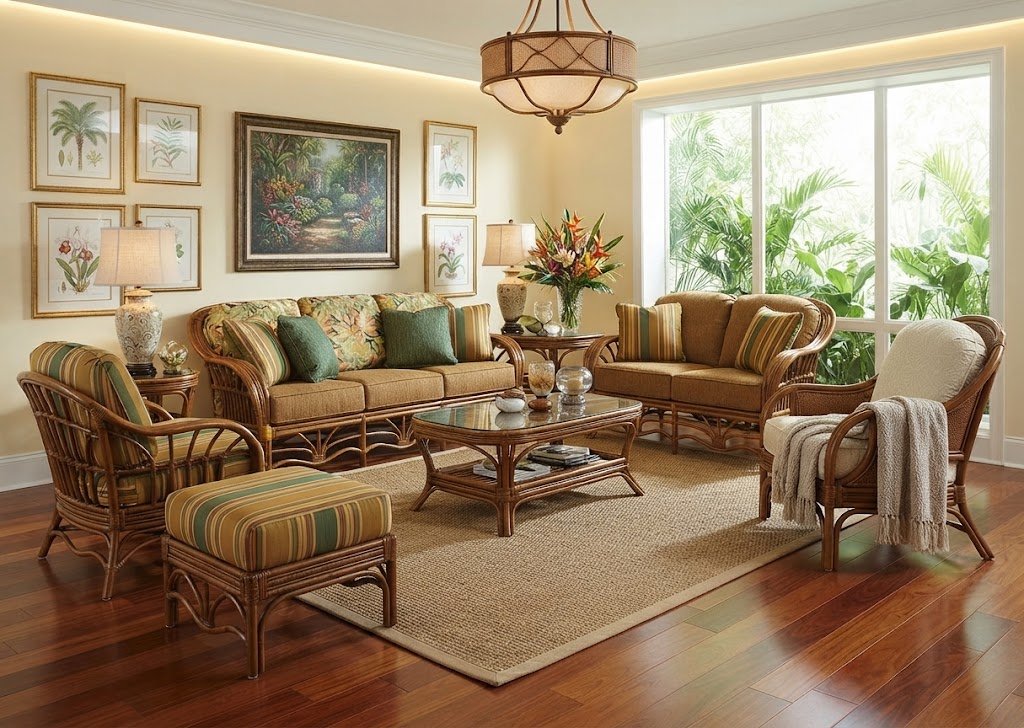
That’s one reason rattan furniture has remained popular for generations. While interior design trends come and go, rattan chairs continue to appear in modern homes, country cottages, coastal interiors, and even contemporary apartments. Their lightweight design, natural texture, and timeless appearance make them one of the most versatile seating options available.
If you’ve been wondering whether a rattan chair is the right choice for your home, this guide explains everything you need to know—from what rattan actually is to its advantages, disadvantages, and how to choose the right style for your space.
Quick Answer
A rattan chair is a chair made from the flexible stems of the rattan palm, a climbing plant that grows mainly in the tropical forests of Southeast Asia. Because rattan is both lightweight and surprisingly strong, it’s widely used to create comfortable furniture for living rooms, conservatories, dining areas, patios, and covered outdoor spaces. With proper care, a quality rattan chair can last for many years while adding a warm, natural look to almost any home.
What Is a Rattan Chair?
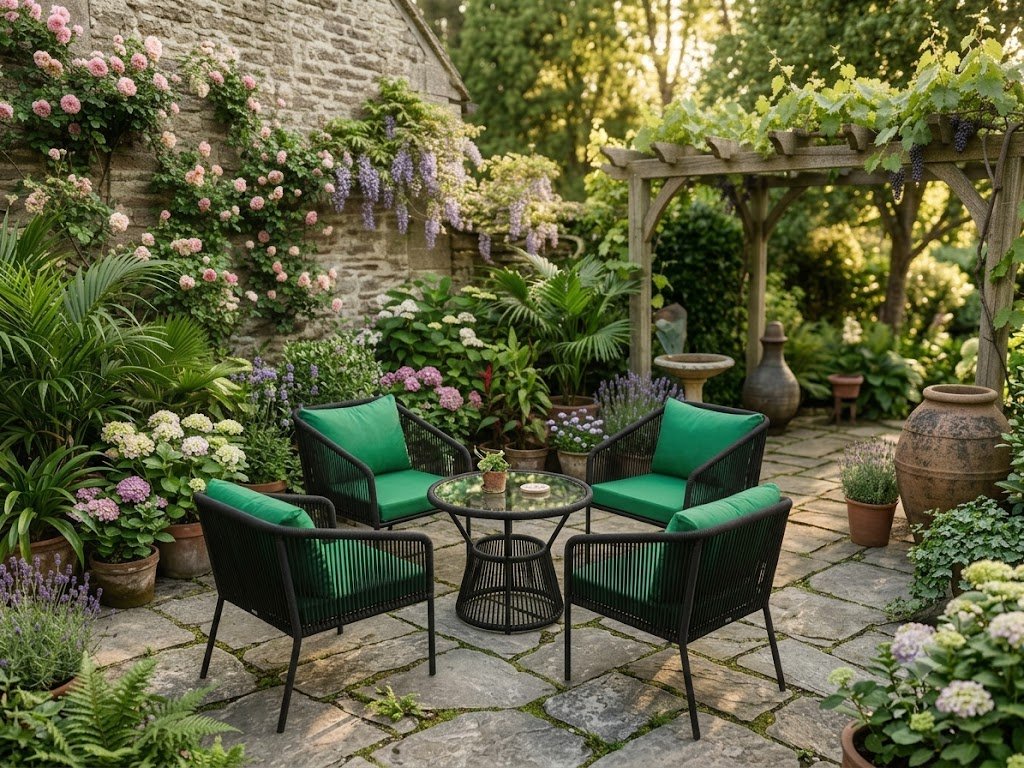
A rattan chair is a piece of furniture crafted from natural rattan, a vine-like palm that grows rapidly in tropical climates. Unlike solid timber, rattan stems are long, flexible, and easy to bend when heated. Skilled furniture makers weave or shape these stems into frames and decorative patterns, creating chairs that are both durable and attractive.
One of the biggest reasons homeowners choose rattan furniture is its balance between strength and weight. Even a large armchair can usually be moved with one hand, making it ideal for homes where furniture is rearranged regularly.
Today, you’ll find rattan chairs in a wide range of styles, including:
- Lounge chairs
- Dining chairs
- Accent chairs
- Rocking chairs
- Hanging egg chairs
- Conservatory furniture
- Bistro sets
Whether your home has a modern, Scandinavian, coastal, or rustic style, there’s usually a rattan design that fits naturally into the space.
What Is Rattan Made From?
Many people assume rattan is a type of wood, but that’s not actually true.
Rattan comes from the stems of climbing palm plants belonging to the Calamoideae subfamily. These plants grow quickly through tropical rainforests, using nearby trees for support as they climb toward sunlight.
After harvesting, the stems are cleaned, dried, and treated before being shaped into furniture. Thin strips of rattan are often woven together to create decorative seat backs, armrests, and side panels, while thicker canes form the main frame.
Because it’s a natural material, every piece of rattan has slight colour and texture variations, giving each chair its own unique character.
When explaining the source of rattan, you can reference the Forest Stewardship Council for information about responsibly sourced forest products and sustainable materials.
Why Has Rattan Furniture Become So Popular?

Over the past decade, I’ve noticed more homeowners moving away from bulky furniture in favour of lighter, natural materials. Rattan fits perfectly into that trend.
Here are a few reasons why it remains a favourite:
- It adds warmth and texture to modern interiors.
- It’s lightweight and easy to move.
- It suits both traditional and contemporary homes.
- It pairs well with wood, linen, stone, and neutral colours.
- It creates a relaxed, timeless look without feeling outdated.
For homeowners decorating smaller rooms, rattan is especially useful because its woven design allows light to pass through, helping a space feel more open and less crowded.
Is a Rattan Chair the Same as a Wicker Chair?
This is one of the most common questions I hear from homeowners—and the answer is no.
Although the two terms are often used interchangeably, rattan and wicker are not the same thing.
- Rattan is the material.
- Wicker is the weaving technique used to make furniture.
In other words, a chair can be made from natural rattan using a wicker weave, but wicker furniture can also be made from synthetic resin, bamboo, willow, or other materials.
Understanding this difference makes it much easier to shop for quality furniture and compare products accurately.
Types of Rattan Chairs
One thing I always tell homeowners is that not every rattan chair is designed for the same purpose. The best choice depends on where you plan to use it and how often it’ll be used.
Over the years, I’ve installed and recommended several styles, each with its own strengths.
1. Rattan Lounge Chairs
If comfort is your priority, a lounge chair is hard to beat.
These chairs usually have wider seats, supportive armrests, and deep cushions, making them ideal for reading, relaxing, or enjoying a morning coffee.
They’re perfect for:
- Living rooms
- Conservatories
- Sunrooms
- Covered patios
2. Rattan Dining Chairs
Dining chairs are more upright, offering better support during meals.
Because they’re lightweight, they’re easy to move around the table when entertaining guests.
Many homeowners pair them with solid oak or glass dining tables to create a modern yet natural look.
3. Rattan Accent Chairs
Sometimes a room doesn’t need another sofa—it just needs one chair that catches the eye.
Accent chairs are designed to add personality while providing extra seating.
They’re often placed in:
- Bedrooms
- Reading corners
- Home offices
- Hallways
4. Hanging Egg Chairs
Few pieces of furniture have become as popular in recent years as the hanging egg chair.
Supported by a strong steel frame, these chairs gently swing while creating a cosy place to relax.
They’re commonly used in:
- Gardens
- Balconies
- Covered decks
- Indoor reading spaces
5. Rocking Rattan Chairs
Traditional rocking chairs have made a comeback.
A rattan version combines classic comfort with a lighter, more modern appearance that’s perfect for nurseries, porches, and quiet corners of the home.
Natural Rattan vs Synthetic Rattan
This is probably the question clients ask me most before buying outdoor furniture.
Although they look similar, natural and synthetic rattan perform very differently.
| Natural Rattan | Synthetic Rattan |
|---|---|
| Made from real palm stems | Made from weather-resistant resin |
| Best for indoor use | Ideal for outdoor use |
| Natural colour variations | Consistent appearance |
| Eco-friendly material | Requires very little maintenance |
| Can be damaged by rain | Resistant to moisture and UV rays |
If you’re furnishing a living room or conservatory, natural rattan is usually the better option because it offers an authentic texture that synthetic materials can’t fully replicate.
For gardens, patios, or exposed balconies, however, synthetic rattan is the smarter investment because it handles changing weather much better.
Benefits of a Rattan Chair
There’s a reason rattan furniture has remained popular for decades.
Here are the biggest advantages I’ve seen after recommending it to homeowners.
Lightweight Yet Strong
Despite its delicate appearance, quality rattan is remarkably durable.
Moving furniture for cleaning or redecorating is far easier than with heavy wooden chairs.
Timeless Style
Unlike many furniture trends, rattan rarely feels outdated.
Whether your home is modern, coastal, farmhouse, or Scandinavian-inspired, rattan blends in naturally.
Comfortable Design
Most rattan chairs are slightly flexible, making them surprisingly comfortable.
Add a thick seat cushion, and they become ideal for long periods of sitting.
Sustainable Material
Natural rattan grows much faster than traditional hardwood trees, making it a more renewable choice when responsibly sourced.
For environmentally conscious homeowners, this is another reason to consider rattan furniture.
Easy to Move Around
One feature I personally appreciate is portability.
Whether you’re hosting guests or simply rearranging a room, moving a rattan chair takes very little effort.
Adds Texture to Any Room
Modern interiors often include smooth finishes like painted walls, polished flooring, and glass surfaces.
Rattan introduces natural texture, helping a room feel warmer and more inviting without overwhelming the space.
Are There Any Disadvantages?
No furniture material is perfect, and it’s important to understand the limitations before buying.
Natural Rattan Doesn’t Like Rain
This is probably the biggest mistake homeowners make.
Natural rattan absorbs moisture.
If left outside in heavy rain, it can weaken, crack, or develop mould over time.
That’s why I always recommend using it indoors or in covered outdoor areas.
It Requires Occasional Maintenance
Unlike plastic furniture, natural rattan benefits from occasional cleaning and dust removal.
Fortunately, maintenance is simple and usually takes only a few minutes every month.
Quality Can Vary
Not all rattan furniture is built to the same standard.
Cheaper products often use thinner canes, weaker joints, or lower-quality weaving, reducing their lifespan.
Buying from a reputable furniture manufacturer is usually worth the extra investment.
Indoor vs Outdoor Rattan Chairs
If someone asks me whether they can place a natural rattan chair in an open garden, my answer is usually no.
Here’s a simple rule I recommend:
Choose Natural Rattan If:
- It’s going inside your home.
- The chair will stay in a conservatory.
- It’s protected from rain.
- You prefer authentic natural materials.
Choose Synthetic Rattan If:
- The furniture will stay outdoors.
- It will be exposed to rain.
- You want minimal maintenance.
- UV resistance is important.
Making the right choice from the beginning helps avoid costly replacements later.
Contractor’s Tip
One trick I’ve used on several projects is combining natural rattan furniture with indoor plants, light-coloured walls, and woven rugs.
The result is a space that feels brighter, calmer, and far more inviting without spending thousands on a full renovation.
If you’re decorating a compact space, our Small Living Room Design Ideas guide shares practical ways to maximise space without sacrificing comfort or style.
Sometimes changing just two chairs completely transforms a room.
How Long Does a Rattan Chair Last?
One question I hear quite often is, “Will a rattan chair actually last?”
The honest answer depends on two things: the quality of the chair and how well it’s looked after.
I’ve seen well-made natural rattan chairs remain in excellent condition for more than 15 years because they were kept indoors and cleaned regularly. On the other hand, I’ve also seen inexpensive chairs start to crack within a couple of years after being left outside through every season.
As a general guide:
- Natural rattan (indoors): 10–20 years with proper care
- Synthetic rattan (outdoors): 8–15 years, depending on quality and weather exposure
Choosing a reputable manufacturer usually makes a bigger difference than many people realise.
How to Clean a Rattan Chair
One of the reasons homeowners like rattan furniture is that it doesn’t require complicated maintenance.
I normally recommend a quick clean every few weeks rather than waiting until dust has built up.
Weekly Care
- Dust the chair using a microfibre cloth or a soft brush.
- Vacuum woven areas with a brush attachment to remove dirt trapped between the fibres.
Monthly Cleaning
Mix a small amount of mild washing-up liquid with warm water.
Lightly dampen a soft cloth and wipe the frame, taking care not to soak natural rattan. Once clean, dry the chair with a towel and leave it in a well-ventilated area.
Avoid These Mistakes
- Don’t use a pressure washer.
- Don’t leave natural rattan wet.
- Avoid harsh chemical cleaners.
- Keep indoor rattan away from prolonged direct sunlight to reduce fading.
A little routine care goes a long way in preserving its appearance.
How to Choose the Best Rattan Chair
Shopping online can be overwhelming because many products look almost identical in photographs.
When I’m helping homeowners choose furniture, I suggest paying attention to the details that aren’t always obvious at first glance.
Check the Frame
A quality chair should feel solid and stable without wobbling.
If possible, inspect how the frame is joined together. Strong, well-finished joints are usually a sign of better craftsmanship.
Look at the Weaving
The weave should be tight, even, and consistent.
Loose strands or uneven spacing often indicate lower-quality construction.
Think About Where It’ll Be Used
Natural rattan is ideal for indoor spaces, while synthetic rattan is the better choice for gardens, patios, or balconies.
Buying the right material for the environment will save money in the long run.
Don’t Forget the Cushions
Comfort matters just as much as appearance.
Choose cushions with removable, washable covers if the chair will be used frequently.
Are Rattan Chairs Worth Buying?
From my experience, yes—provided you buy the right type for the right location.
Rattan chairs strike a balance between comfort, style, and practicality that’s difficult to match with many other furniture materials.
They’re lightweight, attractive, and suit a wide range of interior styles, from modern homes to traditional cottages.
If you want outdoor furniture that can stay outside all year, synthetic rattan is the safer investment.
If you’re decorating a living room, conservatory, or reading corner, natural rattan is still one of my favourite recommendations.
Final Thoughts
A rattan chair isn’t just another piece of furniture—it’s an investment in both comfort and style. Whether you’re refreshing a cosy reading corner, updating a conservatory, or creating a welcoming living room, rattan offers a timeless look that works with almost any interior.
After recommending and installing furniture in homes for many years, I’ve found that the best results come from choosing quality over the lowest price. A well-crafted rattan chair, looked after properly, can remain part of your home for many years while adding warmth and character that mass-produced furniture often lacks.
If you’re buying your first rattan chair, think about where it’ll be used, choose the right material, and focus on build quality. Make the right choice now, and you’ll enjoy both comfort and durability for years to come.
FAQs
Are rattan chairs comfortable?
Yes. Most rattan chairs become very comfortable when paired with quality cushions. Their slight natural flexibility also provides better support than many rigid wooden chairs.
Can natural rattan get wet?
Occasional moisture isn’t usually a problem, but prolonged exposure to rain can cause natural rattan to weaken, crack, or develop mould. It’s best suited to indoor or covered outdoor spaces.
What’s the difference between rattan and wicker?
Rattan is the material, while wicker refers to the weaving technique used to make furniture. A wicker chair can be made from rattan, bamboo, willow, or synthetic resin.
Are rattan chairs eco-friendly?
Natural rattan is considered a renewable material because it grows much faster than traditional hardwood trees. Choosing responsibly sourced products makes it an even more sustainable option.
Can I use a rattan chair outdoors?
Natural rattan should be kept in sheltered areas, while synthetic rattan is designed to withstand rain, sunlight, and changing weather conditions.