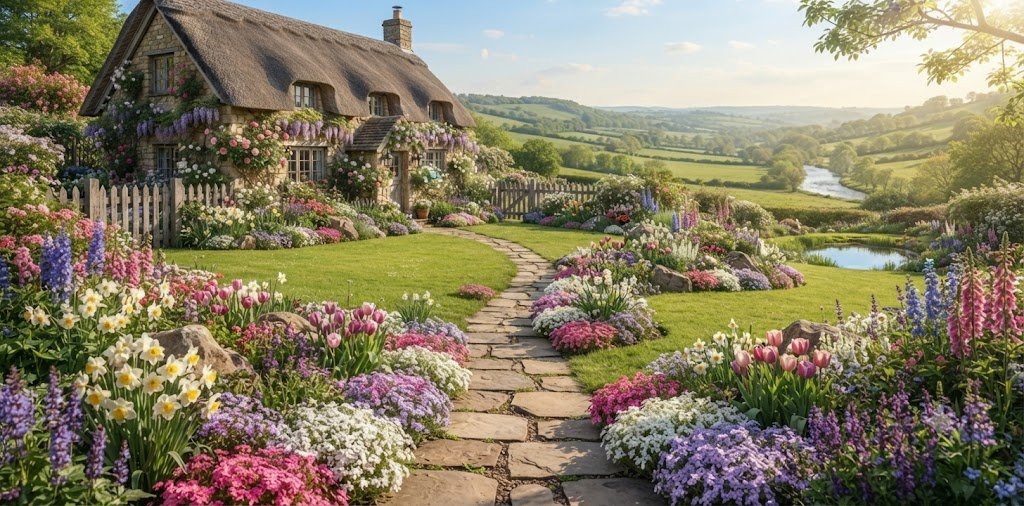
Spring gardens become far more attractive when colorful flowers spread naturally across pathways, slopes, and flower beds. One of the easiest plants to achieve this beautiful carpet-like effect is creeping phlox. Known for its vibrant blooms and low-maintenance nature, creeping phlox is a favorite among homeowners and landscape designers alike.
Whether you’re creating a cottage garden, covering bare ground, or adding color to a rock garden, this perennial plant delivers stunning results with very little effort.
In this guide, you’ll learn what creeping phlox is, how to grow it successfully, the best planting conditions, care tips, common problems, and much more.
Quick Answer
Creeping phlox (Phlox subulata) is a low-growing, flowering perennial that spreads across the ground to create a colorful carpet of blooms in spring. It thrives in full sun, prefers well-drained soil, requires minimal maintenance once established, and returns every year in suitable growing conditions.
What Is Creeping Phlox?
Creeping phlox is a low-growing evergreen perennial that belongs to the Polemoniaceae family. Native to eastern and central North America, it naturally grows on rocky hillsides, woodland edges, and mountain slopes.
Unlike taller garden phlox varieties, creeping phlox spreads horizontally rather than growing upright. During spring, it produces thousands of small star-shaped flowers that nearly cover the foliage, creating a spectacular blanket of color.
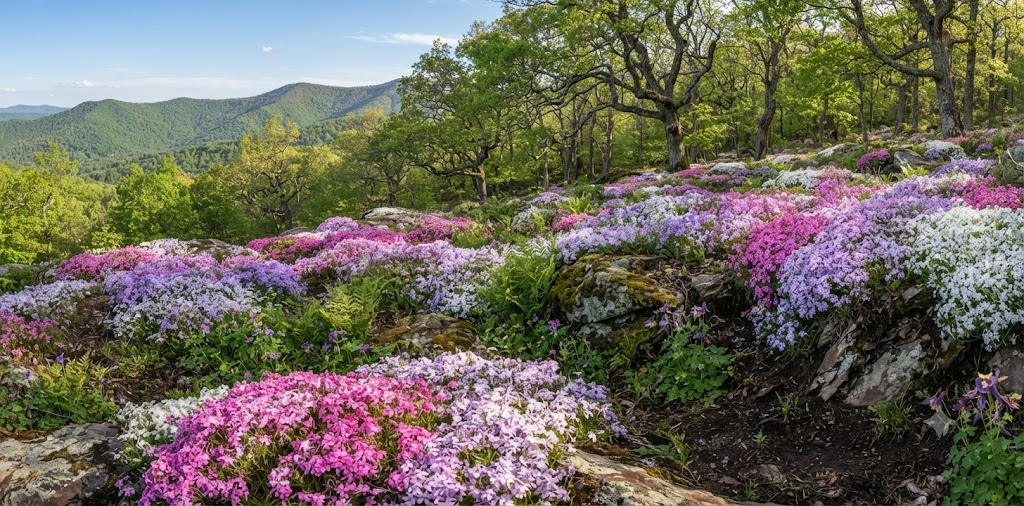
Flowers are available in several beautiful shades, including:
- Pink
- Purple
- Lavender
- White
- Blue
- Bi-color varieties
After blooming, the dense evergreen foliage continues providing year-round ground cover, making it an attractive addition even outside flowering season.
Why Is Creeping Phlox So Popular?
Gardeners appreciate creeping phlox because it combines beauty with practicality.
Some of its biggest advantages include:
- Produces vibrant spring flowers
- Excellent ground cover plant
- Helps reduce soil erosion
- Suppresses weed growth naturally
- Attracts butterflies and pollinators
- Drought tolerant after establishment
- Deer and rabbit resistant
- Returns every year
- Requires very little maintenance
Because of these benefits, it’s commonly used in residential landscapes, public gardens, and commercial properties.
Different Types of Creeping Phlox
Although many people simply refer to it as creeping phlox, there are numerous cultivars with unique flower colors and growth habits.
| Variety | Flower Color | Mature Height |
|---|---|---|
| Emerald Blue | Lavender Blue | 4–6 inches |
| Candy Stripe | White with Pink Stripes | 4–6 inches |
| Scarlet Flame | Bright Red-Pink | 5 inches |
| White Delight | Pure White | 4–6 inches |
| Purple Beauty | Deep Purple | 5 inches |
| Pink Ridge | Bright Pink | 4–6 inches |
Each variety spreads approximately 18–24 inches, making them excellent choices for filling empty garden spaces.
Benefits of Growing Creeping Phlox
If you’re planning a complete landscape makeover, you may also enjoy our guide on Best Wall Decor Ideas for Modern Homes, which shares creative ways to enhance both indoor and outdoor living spaces.
1. Creates a Stunning Flower Carpet
Few ground-cover plants bloom as dramatically as creeping phlox. During early to mid-spring, the flowers almost completely hide the foliage, creating a breathtaking display.
This colorful carpet effect makes it perfect for:
- Garden borders
- Walkways
- Hillsides
- Rock gardens
- Retaining walls
- Front yard landscaping
2. Excellent Ground Cover
Instead of leaving bare soil exposed, creeping phlox spreads into a dense mat that naturally fills empty spaces.
This helps:
- Prevent weeds
- Keep soil cooler
- Reduce moisture loss
- Improve garden appearance
3. Helps Prevent Soil Erosion
If your yard has slopes or uneven terrain, creeping phlox is an excellent choice.
Its spreading root system helps stabilize soil while reducing erosion caused by rainwater.
4. Attracts Pollinators
The nectar-rich flowers attract beneficial insects such as:
- Butterflies
- Honeybees
- Native bees
- Hoverflies
This makes creeping phlox an excellent addition to pollinator-friendly gardens.
5. Low Maintenance
Unlike many flowering plants, creeping phlox doesn’t require constant attention.
Once established, it generally needs:
- Occasional watering during prolonged dry spells
- Light pruning after flowering
- Fertilizer once a year
- Minimal pest control
Even beginner gardeners can successfully grow it.
Where Does Creeping Phlox Grow Best?
Creeping phlox performs best in areas that receive at least six hours of direct sunlight daily.
Ideal planting locations include:
- Rock gardens
- Garden borders
- Around stepping stones
- Retaining walls
- Slopes
- Raised flower beds
- Cottage gardens
- Along driveways
- Hillsides
Although it tolerates partial shade, too much shade reduces flowering and may result in leggy growth.
How to Plant Creeping Phlox
Planting creeping phlox correctly is the key to enjoying a dense carpet of colorful flowers each spring. Fortunately, it’s one of the easiest perennials to establish.
Choose the Right Location
Before planting, select a site that offers:
- At least 6–8 hours of direct sunlight
- Well-drained soil
- Good air circulation
- Enough room for the plant to spread naturally
Avoid areas where water collects after heavy rain, as consistently wet soil can lead to root rot.
Prepare the Soil
Creeping phlox prefers loose, fertile soil but can also grow in rocky or sandy conditions if drainage is good.
To prepare the planting area:
- Remove weeds and grass.
- Loosen the soil to about 8–10 inches deep.
- Mix in compost or well-rotted organic matter.
- Level the surface before planting.
Adding organic matter improves drainage while supplying nutrients for healthy root development.
Planting Steps
Follow these simple steps:
- Dig a hole slightly wider than the root ball.
- Place the plant so the crown sits level with the soil surface.
- Fill the hole with soil and gently firm it.
- Water thoroughly after planting.
- Apply a light layer of mulch, keeping it away from the stems.
Spacing
Leave 12–18 inches (30–45 cm) between plants to allow them to spread without becoming overcrowded.
Best Time to Plant Creeping Phlox
Although creeping phlox can be planted during much of the growing season, the best times are:
| Season | Recommendation |
|---|---|
| Spring | Best choice |
| Early Fall | Excellent |
| Summer | Possible with regular watering |
| Winter | Not recommended |
Spring planting allows the roots to establish before hot summer weather arrives.
Soil Requirements
Royal Horticultural Society (RHS) — Guidance on soil preparation and perennial care.
University of Minnesota Extension — Best practices for growing and maintaining ground cover plants.
One reason creeping phlox is so popular is its adaptability.
It grows well in:
- Sandy soil
- Loamy soil
- Rocky gardens
- Slightly acidic soil
- Neutral soil
Ideal Soil Conditions
| Requirement | Best Range |
|---|---|
| Soil Type | Well-drained |
| pH Level | 6.0–7.0 |
| Drainage | Excellent |
| Organic Matter | Moderate |
Heavy clay soils should be improved with compost or coarse sand to increase drainage.
Sunlight Requirements
Sunlight has a major impact on flowering.
| Light Condition | Result |
|---|---|
| Full Sun (6–8 hours) | Maximum blooms |
| Partial Sun | Moderate flowering |
| Heavy Shade | Poor flowering and weak growth |
For the most vibrant display, choose the sunniest location available.
Watering Requirements
Newly planted creeping phlox needs consistent moisture while establishing.
Newly Planted
- Water 2–3 times per week.
- Keep the soil evenly moist, not soggy.
Established Plants
Once mature, creeping phlox becomes relatively drought tolerant.
Water only when:
- There has been little rainfall.
- The top 2–3 inches of soil feel dry.
- Extended periods of hot weather occur.
Deep watering is better than frequent shallow watering because it encourages stronger roots.
Fertilizing Creeping Phlox
This plant doesn’t require heavy feeding.
A balanced, slow-release fertilizer applied in early spring is usually enough for healthy growth.
Best Fertilizer Types
- Compost
- Organic flower fertilizer
- 10-10-10 balanced fertilizer
- Slow-release perennial fertilizer
Avoid over-fertilizing, as too much nitrogen encourages leafy growth at the expense of flowers.
Mulching Tips
Applying mulch offers several benefits:
- Conserves soil moisture
- Reduces weeds
- Regulates soil temperature
- Protects roots during hot weather
Use:
- Pine bark
- Shredded leaves
- Wood chips
- Compost
Keep mulch about 1–2 inches away from the stems to prevent rot.
How to Prune Creeping Phlox
Pruning helps maintain a neat appearance and encourages healthier growth.
After Blooming
Once flowering finishes:
- Trim back faded flowers.
- Remove dead stems.
- Shape uneven growth.
- Thin crowded areas.
This improves airflow and helps reduce fungal diseases.
Seasonal Care Guide
Spring
- Apply fertilizer.
- Remove winter debris.
- Check for new growth.
- Water if rainfall is limited.
Summer
- Water during dry periods.
- Watch for pests.
- Lightly trim overgrown stems if needed.
Autumn
- Remove dead foliage.
- Divide overcrowded plants if necessary.
- Add a thin layer of compost.
Winter
In colder regions, creeping phlox becomes semi-evergreen or evergreen, depending on the climate.
Little maintenance is needed beyond avoiding excessive winter moisture.
Can You Grow Creeping Phlox in Containers?
If you’re redesigning your outdoor living space, our guide on Modern House Design Trends (2026) offers inspiration for creating a landscape that complements your home’s architecture.
Yes. Although it’s best known as a ground cover, creeping phlox also performs well in:
- Decorative containers
- Hanging baskets
- Window boxes
- Raised planters
Choose a pot with drainage holes and use a high-quality, well-draining potting mix. Water slightly more often than plants grown in the ground, as containers dry out faster.
Common Planting Mistakes to Avoid
Many beginners make a few simple mistakes that can reduce flowering or shorten the plant’s lifespan.
Avoid these common errors:
- Planting in heavy, waterlogged soil
- Choosing a location with too much shade
- Overwatering established plants
- Over-fertilizing with high-nitrogen products
- Planting too closely together
- Ignoring pruning after blooming
By avoiding these issues, you’ll enjoy healthier plants and a more impressive floral display year after year.
Common Problems with Creeping Phlox
Although creeping phlox is a hardy and low-maintenance perennial, it can occasionally develop problems if grown in poor conditions.
1. Powdery Mildew
Powdery mildew is one of the most common fungal diseases affecting creeping phlox.
Symptoms
- White powder-like coating on leaves
- Distorted foliage
- Reduced flowering
Prevention
- Plant in full sun.
- Improve air circulation.
- Avoid overhead watering.
- Remove infected leaves promptly.
2. Root Rot
Root rot usually occurs when the soil stays wet for long periods.
Symptoms
- Yellow leaves
- Wilting despite moist soil
- Black, mushy roots
- Slow growth
Solution
- Improve soil drainage.
- Water only when necessary.
- Avoid planting in low-lying areas.
3. Spider Mites
During hot, dry weather, spider mites may feed on the foliage.
Signs
- Tiny yellow spots
- Fine webbing
- Dry or discolored leaves
Spraying plants with water or using insecticidal soap can help control light infestations.
4. Poor Flowering
If your creeping phlox produces plenty of leaves but very few flowers, the cause is usually environmental.
Possible reasons include:
- Too much shade
- Excess nitrogen fertilizer
- Overcrowded plants
- Lack of pruning after flowering
Moving the plant to a sunnier location often improves blooming the following season.
How to Propagate Creeping Phlox
One of the best things about creeping phlox is that it’s easy to multiply.
Division
The simplest method is dividing mature plants every 3–4 years.
Steps
- Dig up the mature plant.
- Separate healthy root sections.
- Replant immediately.
- Water thoroughly.
Division also keeps older plants vigorous.
Stem Cuttings
Healthy stem cuttings can also produce new plants.
- Cut a 4–6 inch healthy stem.
- Remove the lower leaves.
- Place it in moist potting mix.
- Keep the soil slightly damp until roots develop.
Creeping Phlox vs Moss Phlox
Many gardeners use these names interchangeably, but they generally refer to the same species (Phlox subulata). In some regions, “moss phlox” is simply another common name because of the plant’s dense, moss-like foliage.
| Feature | Creeping Phlox | Moss Phlox |
|---|---|---|
| Botanical Name | Phlox subulata | Phlox subulata |
| Growth Habit | Spreading | Spreading |
| Height | 4–6 inches | 4–6 inches |
| Bloom Time | Spring | Spring |
| Flower Colors | Pink, White, Purple, Blue | Same |
| Ground Cover | Excellent | Excellent |
For most homeowners, the two names refer to the same plant.
Landscaping Ideas Using Creeping Phlox
Creeping phlox is incredibly versatile and works well in many landscape designs.
Consider using it in:
- Rock gardens
- Cottage gardens
- Sloped landscapes
- Around stepping stones
- Along driveways
- Garden borders
- Retaining walls
- Raised beds
- Around ornamental trees
- Pollinator gardens
Its cascading growth also looks beautiful spilling over stone walls and raised planters.
Is Creeping Phlox Safe for Pets?
According to widely available horticultural references, creeping phlox is generally considered non-toxic to dogs and cats. Even so, it’s still best to discourage pets from chewing on any ornamental plants, as eating large amounts of plant material may cause mild stomach upset.
If you suspect your pet has eaten a plant and is showing unusual symptoms, contact your veterinarian promptly.
Final Thoughts
Creeping phlox is one of the best flowering ground covers for homeowners who want long-lasting beauty without demanding maintenance. Its colorful spring blooms, evergreen foliage, and ability to thrive in a variety of landscapes make it an excellent choice for borders, slopes, rock gardens, and walkways.
By providing plenty of sunlight, well-drained soil, and occasional pruning after flowering, you can enjoy healthy plants that return year after year. Whether you’re an experienced gardener or planting your first perennial, creeping phlox is a reliable option that adds color, texture, and curb appeal to almost any outdoor space.
FAQs
Does creeping phlox come back every year?
Yes. Creeping phlox is a perennial, meaning it returns each year in suitable growing conditions.
How fast does creeping phlox spread?
Most varieties spread 18–24 inches over time, forming a dense mat of evergreen foliage.
Does creeping phlox need full sun?
Yes. It performs best with at least 6 hours of direct sunlight each day.
Can creeping phlox grow in shade?
It can tolerate partial shade, but too much shade reduces flowering and may lead to weak growth.
Is creeping phlox drought tolerant?
Once established, it is fairly drought tolerant and only needs occasional watering during extended dry periods.
When does creeping phlox bloom?
Most varieties bloom from early to mid-spring, depending on the local climate.
How often should creeping phlox be watered?
New plants need regular watering until established. Mature plants generally require water only during prolonged dry spells.